Best Single Bolt Pipe Clamp Options for Your Needs?
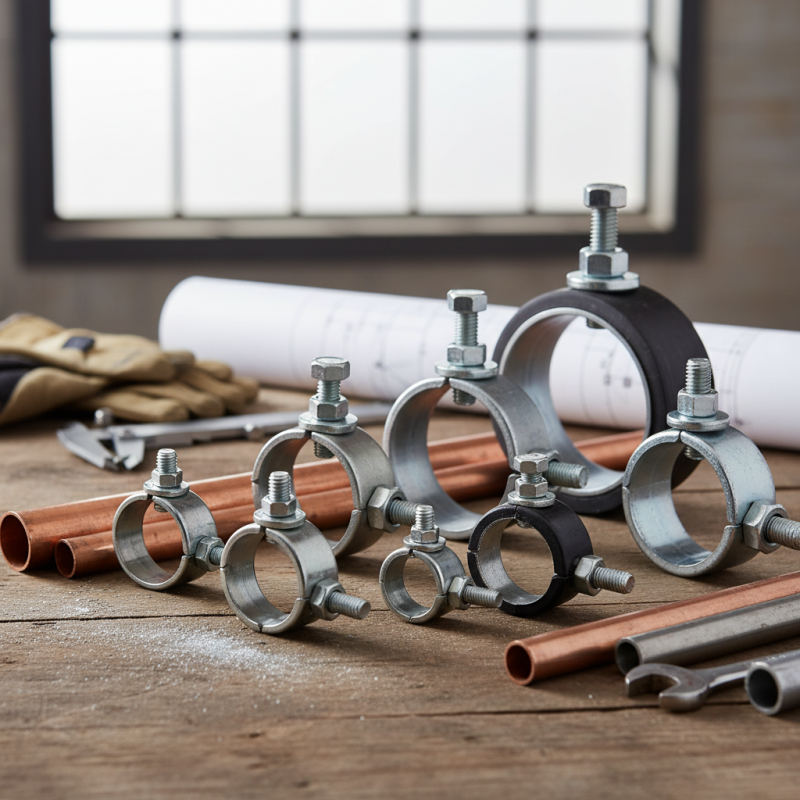
When it comes to securing pipes in various applications, the Single Bolt Pipe Clamp stands out as a reliable choice. These clamps offer simplicity and efficiency. They are designed for quick installation, saving valuable time on projects. Choosing the right clamp can greatly influence your work quality.
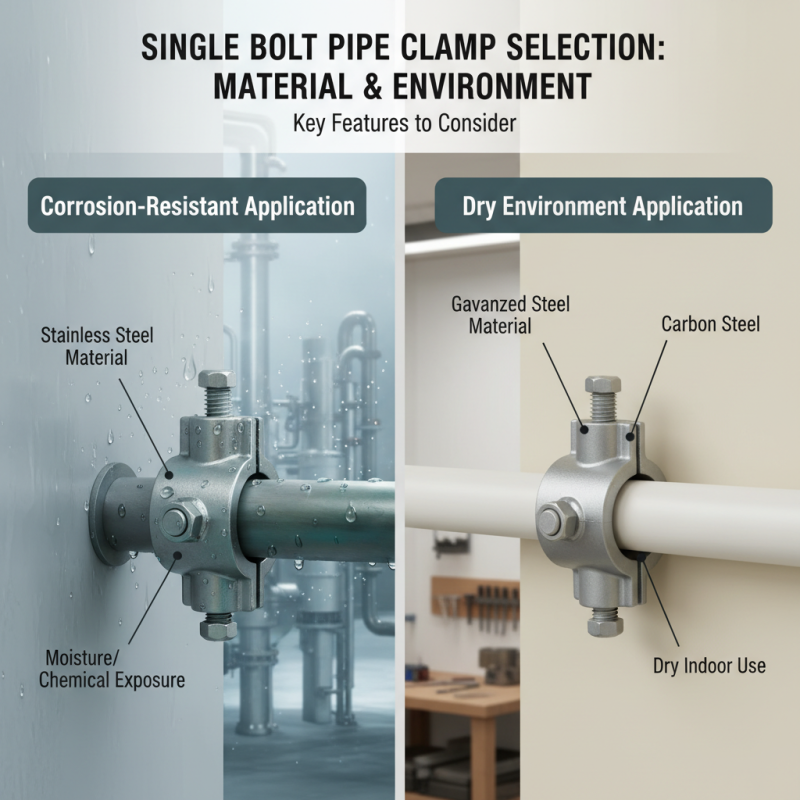
Different materials and sizes are available. This variety can make selection overwhelming for some. Factors like pipe size, environment, and load capacity should guide your decision. Each detail matters. It's essential to find a clamp that meets your specific needs.
Sometimes, users overlook critical details. For instance, the wrong material can lead to corrosion. Proper maintenance is often neglected as well. Reflecting on these issues can help improve your experience. Investing time in choosing the best Single Bolt Pipe Clamp will pay off in the long run.
Understanding Single Bolt Pipe Clamps and Their Applications
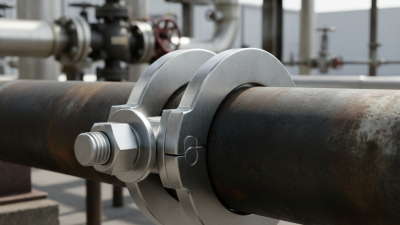
Single bolt pipe clamps are essential in various applications, including plumbing and HVAC systems. These clamps secure pipes tightly, ensuring no leaks occur. They are especially useful for mounting pipes in tight spaces, where traditional clamps may not fit. You'll find them in both residential and industrial settings.
When choosing a single bolt clamp, consider the pipe material. Different materials require different pressure levels. A quick visual inspection can help determine if a clamp fits properly. Ensure the clamp does not crimp the pipe, as this can lead to future leaks. Sometimes, the right clamp may not be easily available. This can lead to frustration and delays in projects.
Adjustments can be tricky as well. It’s crucial to maintain proper torque. Too little leads to issues, while too much can damage the pipe. It's a balancing act that requires attention and patience. Over time, learning from mistakes with different clamps can lead to better choices in the future. Remember, a secure connection is key to effective plumbing.
Best Single Bolt Pipe Clamp Options for Your Needs
| Clamp Size (inches) |
Material |
Max Pressure (psi) |
Temperature Range (°F) |
Applications |
| 1" |
Stainless Steel |
150 |
-20 to 250 |
Water supply, HVAC |
| 2" |
Carbon Steel |
200 |
-4 to 300 |
Oil and gas lines |
| 3" |
Plastic |
100 |
0 to 180 |
Chemical processing |
| 4" |
Galvanized Steel |
140 |
-10 to 220 |
Construction, plumbing |
| 6" |
Aluminum |
80 |
-20 to 150 |
Marine applications |
Top Brands and Models of Single Bolt Pipe Clamps in the Market
When selecting a single bolt pipe clamp, consider the performance and durability of various brands. Market reports indicate that the demand for high-quality clamps is rising, with a projected growth rate of approximately 6% annually over the next five years. This growth underscores the importance of choosing the right clamp to ensure longevity and efficiency.
Several manufacturers offer robust options designed for a range of applications. A well-known study found that clamps with corrosion-resistant finishes last longer in harsh environments. Factors like material type, design, and ease of installation are crucial. For instance, a clamp that is easy to adjust may save time and reduce installation errors. However, not all clamps are created equal. Some might seem sturdy but fail under pressure, raising concerns about safety.
While it is tempting to seek the cheapest option, this could lead to higher costs in the long run. Many users report frequent replacements of inexpensive clamps. Investing in reputable brands may initially be pricier, but can ultimately prove beneficial. Always weigh the pros and cons of each model. Remember, the right choice could make all the difference.
Installation Tips for Optimal Use of Single Bolt Pipe Clamps
When installing single bolt pipe clamps, proper technique is crucial for operational efficiency. The right installation ensures that pipes are securely held, which minimizes vibrations and prevents leaks. According to a report by the American Society of Civil Engineers, poorly installed pipe supports can lead to a 20% increase in maintenance costs over time.
Begin by positioning the clamp around the pipe. Ensure the bolt is accessible for tightening. Remember, over-tightening can damage the pipe or the clamp itself. The optimal torque for single bolt clamps typically ranges from 50 to 70 inch-pounds, but this can vary based on pipe material and diameter. Always refer to the specifications for your specific situation. Small adjustments can yield significant benefits.
Next, consider the environment where the clamps will be used. Factors like temperature fluctuations and exposure to chemicals can affect their performance. In some cases, the clamps may corrode or break under stress. Inspecting and maintaining your clamps regularly can prevent issues. Reports indicate that 30% of failures in piping systems stem from neglected maintenance of supports and clamps. Installing these clamps improperly can lead to larger problems down the line. Attention to detail during installation truly matters.
Best Single Bolt Pipe Clamp Options for Your Needs
Common Problems and Solutions When Using Single Bolt Pipe Clamps
Single bolt pipe clamps are essential for many plumbing and construction projects. However, they can present common problems. One frequent issue is misalignment. When pipes are not aligned correctly, leaks can occur. This is often due to improper installation or inadequate measurements. Ensuring that pipes are leveled and lined up before securing them can save time and prevent costly repairs.
Another common problem is corrosion. Over time, materials can degrade, compromising the integrity of the clamp. Using clamps made from corrosion-resistant materials can help, but even these might fail. Regular inspections are crucial. They allow users to spot rust or wear and replace the clamps before serious issues arise.
Sometimes, users overlook the torque specifications while tightening the clamps. This can lead to either over-tightening or under-tightening. Too much force can crush the pipe, while too little can cause leaks. Staying informed about the proper torque settings is vital. Proper techniques are often overlooked, leading to frustrating situations later on.