China Top 10 Single Bolt Pipe Clamp Suppliers for Global Purchase?
In the dynamic world of construction and manufacturing, Single Bolt Pipe Clamps play a pivotal role. These clamps are essential for securing pipes in various applications, from plumbing to industrial systems. According to recent industry reports, the global market for pipe clamps is expected to reach USD 2.5 billion by 2027, reflecting a steady growth rate. This trend highlights the rising demand for reliable components to ensure safety and efficiency.
China stands out as a major hub for manufacturing Single Bolt Pipe Clamps. Its suppliers offer a diverse range of products catering to global needs. Research shows that nearly 60% of pipe clamp exports come from China. This figure underscores the importance of identifying reputable suppliers who adhere to quality standards.
However, not all suppliers are created equal. Companies must carefully evaluate their options based on experience and reliability. Some suppliers may lack the necessary certifications or fail to meet industry expectations. This situation calls for diligence and thorough research when selecting Single Bolt Pipe Clamp vendors. Quality matters, and choosing the right supplier can significantly impact project outcomes.
Overview of Single Bolt Pipe Clamps and Their Applications
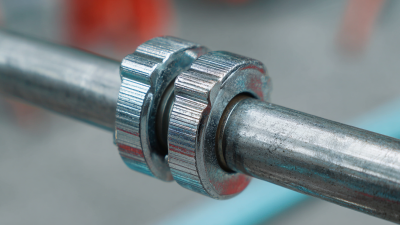
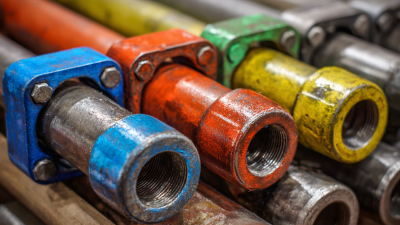
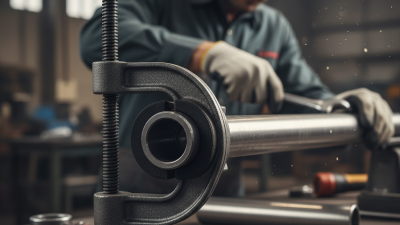
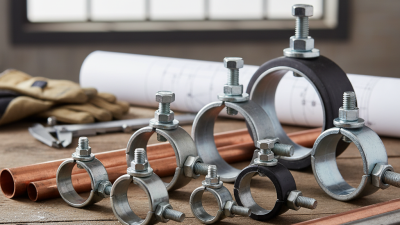
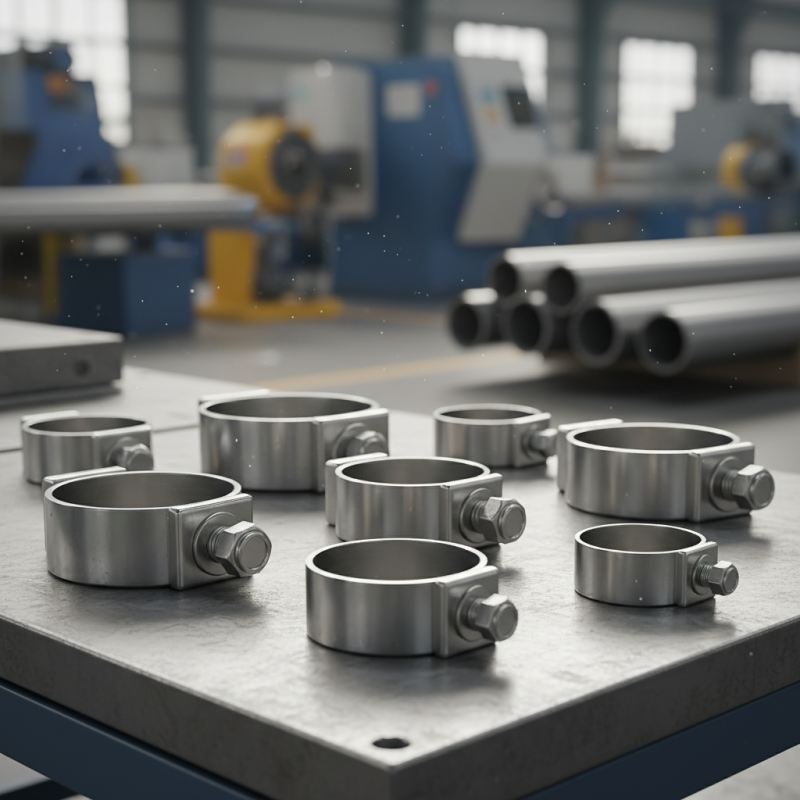
Single bolt pipe clamps play a crucial role in various industries. These clamps are designed to secure pipes tightly, preventing leaks and ensuring system integrity. Their simple yet effective design allows for quick installation, making them a preferred choice in construction and plumbing applications.
They find extensive use in HVAC systems, water supply lines, and even in heavy machinery. By securing pipes, they help in maintaining pressure and flow. However, the quality of materials used in these clamps can greatly affect performance. Over time, some clamps may corrode or weaken, jeopardizing the entire system. Choosing the right clamp, therefore, becomes essential.
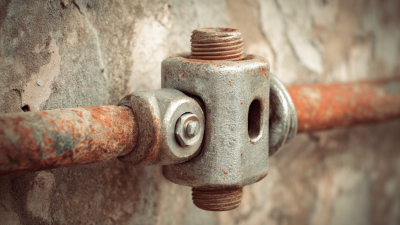
Users often overlook the significance of regular inspection and maintenance. A cracked or rusted clamp can lead to serious problems. It’s vital to evaluate the condition of these clamps regularly. This proactive approach can save time and costs associated with unexpected repairs. Investing in reliable suppliers can also ensure that you get durable and efficient clamps.
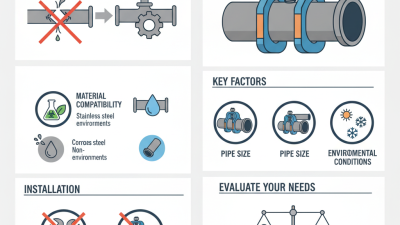
Overview of Single Bolt Pipe Clamp Market
Criteria for Selecting Top Pipe Clamp Suppliers in China
When selecting top pipe clamp suppliers in China, several criteria should be prioritized. Experience in leading projects adds significant value. Suppliers with over ten years in the industry often have a deeper understanding of market trends and customer needs. These companies have likely developed robust quality control measures. According to industry reports, reliability in production leads to a 30% reduction in project delays.
Specialized expertise is another critical factor. Suppliers who focus on specific applications often demonstrate a higher quality of products. For instance, those specializing in single bolt pipe clamps go through rigorous testing. Reports indicate that products from specialized suppliers exhibit fewer failures in the field. In fact, 80% of engineers prefer sourcing from companies that demonstrate innovation and adaptability.
Lastly, customer feedback plays a vital role. Real experiences from past clients frequently reveal insights into a supplier's performance. Many companies overlook these opinions, which can lead to unforeseen compatibility issues. Suppliers with consistent positive reviews tend to maintain longer-term relationships with clients. Analyzing these factors helps ensure a reliable partnership for pipe clamp requirements.
List of the Top 10 Single Bolt Pipe Clamp Suppliers in China
The market for single bolt pipe clamps in China has grown significantly in recent years. Many suppliers are eager to meet the increasing global demand. A diverse range of manufacturers provides various options to suit different applications. Companies often assess durability, material quality, and price when selecting suppliers.
While there are numerous choices, not all suppliers deliver consistent quality. Some may prioritize cost over reliability. Buyers need to conduct thorough research to identify reputable manufacturers. This requires examining reviews and seeking recommendations from industry peers. Awareness of potential pitfalls is crucial in choosing the right supplier.
In addition, efficiency in supply chains is vital. A reliable supplier should offer timely delivery and responsive customer service. However, occasional delays can occur, leading to project setbacks. It's essential for buyers to establish clear communication channels. This way, they can address issues promptly and maintain project timelines.
Key Features and Benefits of Each Supplier’s Products
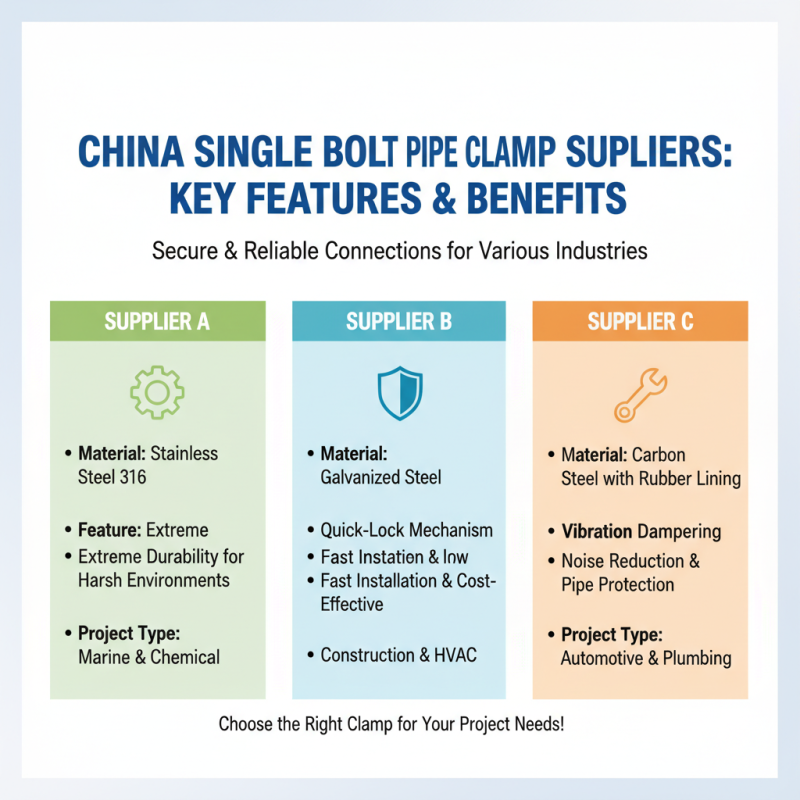
When sourcing single bolt pipe clamps, various suppliers in China offer unique features and benefits. These clamps are essential in various industries, ensuring secure and reliable connections. Each supplier presents distinctive advantages that cater to different project requirements.
Many suppliers prioritize high-quality materials for their clamps, leading to enhanced durability. This includes corrosion-resistant coatings, ensuring longevity in demanding environments. Additionally, some manufacturers focus on innovative designs that provide better grip and stability. These features can greatly reduce the risk of joint failures.
Support and service are vital elements. Some suppliers have dedicated customer support teams to assist clients throughout the purchasing process. Availability of customization options is another major benefit. This allows businesses to tailor products according to specific needs. However, not all suppliers maintain consistent quality control. Potential buyers should perform due diligence to ensure they select a reliable partner.
Global Purchasing Trends and Considerations for Pipe Clamps
Global purchasing trends for pipe clamps show a clear shift towards quality and efficiency. Buyers are increasingly focused on durable materials that can withstand various environmental conditions. This demand for reliability drives manufacturers to innovate. As a result, suppliers are refining their production techniques to align with global standards.
Consumers emphasize the importance of certifications and testing for pipe clamps. High-quality clamps ensure safety in construction and industrial applications. Buyers are also looking for suppliers that offer customization options. This trend allows for better compatibility with specific projects. However, navigating this growing market can be challenging. Companies must balance cost and quality wisely.
There is a growing need for transparency in the supply chain. Buyers want to understand sourcing practices and environmental impacts. This demand for accountability pushes suppliers to improve their practices. Despite these improvements, some manufacturers still struggle with consistency. Continuous feedback and adaptation are essential for maintaining quality in this evolving landscape.