Top 10 Types of Hose Clamp Clips for Global Buyers
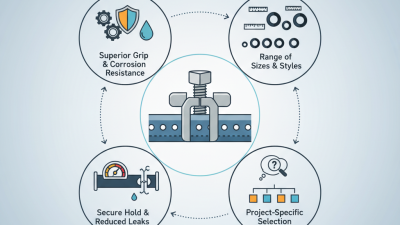
Choosing the right Hose Clamp Clips begins with understanding the joint, not the product label. A clamp used on a fuel line faces different demands from one securing a garden hose. Diameter range, material, pressure, temperature, vibration, and installation space all influence the decision. Global buyers must also review supplier documentation, material grades, corrosion resistance, and quality-control procedures before placing an order. Small details matter.
This guide examines ten common types, including worm-drive, spring, ear, constant-tension, T-bolt, wire, and heavy-duty clamps. Each design offers practical advantages, but none fits every application. A stainless steel band may resist moisture well, while a lighter galvanized option can reduce cost in less demanding environments. That trade-off deserves careful thought. It is easy to compare prices and overlook service life.
In real purchasing work, packaging quality, thread smoothness, edge finishing, and consistent tightening often reveal more than a polished catalog image. Buyers should request samples and test fit them on the actual hose material. A clamp that looks suitable may cut soft rubber or loosen under repeated vibration. Mistakes happen.
The following overview is written for distributors, engineers, maintenance teams, and importers seeking dependable choices across markets. It combines practical selection experience with technical considerations and responsible sourcing guidance. Local standards and application requirements may differ, so professional verification remains necessary. A strong purchase decision is not merely the cheapest one. It is the choice that performs safely, consistently, and economically over time.
What Are Hose Clamp Clips and How Do They Work
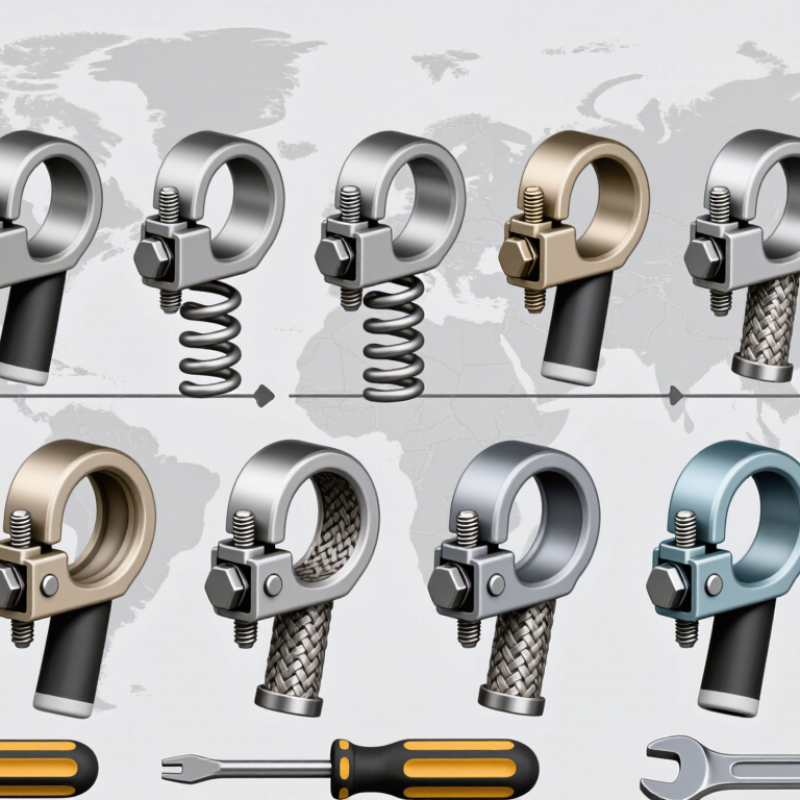
Hose clamp clips are mechanical fasteners that secure a hose around a pipe, fitting, or connection point. They apply steady radial pressure, helping prevent leaks and hose movement. Common designs include worm-drive, spring, ear, wire, and T-bolt clamps. Each design behaves differently under heat, vibration, and pressure.
A worm-drive clip tightens with a screw and offers practical adjustment. Spring clamps maintain tension as temperatures change. Ear clamps provide a compact, tamper-resistant fit, while T-bolt clamps suit larger, demanding connections. In real installations, correct sizing matters more than appearance. A clamp that is too large may not seal evenly. One that is too tight can damage soft hose material. I still see this mistake during routine maintenance.
Tips: Measure the hose outside diameter after fitting it over the pipe. Choose a clamp that reaches the middle of its adjustment range. Keep the clamp behind the hose bead, not on its edge. Tighten gradually and inspect the seal after several minutes. Do not guess. Fit matters.
Material selection also deserves attention. Stainless steel resists moisture and corrosion, while coated steel may offer a lower-cost option for controlled environments. Check the band edges before installation; sharp edges can cut the hose over time. For critical assemblies, verify pressure, temperature, vibration, and installation requirements. No clamp is perfect. A reliable choice depends on the whole connection, not the clip alone.
Top 10 Types of Hose Clamp Clips for Global Buyers
Hose clamp clips secure a hose over a fitting by applying radial compression. The chart compares representative maximum nominal hose diameters commonly available across major clamp designs.
Typical market ranges vary by material, construction, and manufacturer. Select a clamp that matches the hose material, pressure, temperature, corrosion conditions, and required adjustment range.
Materials, Designs, and Performance Differences
Top 10 Types of Hose Clamp Clips for Global Buyers
Materials, Designs, and Performance Differences
Hose clamp clips differ in material, structure, and sealing behavior. Worm-drive clamps offer adjustable tightening for common automotive and plumbing hoses. Stainless steel versions resist moisture and many mild chemicals. T-bolt clamps provide higher load capacity for thick, reinforced hoses. They suit turbocharger, industrial, and high-vibration applications. Constant-tension clamps maintain pressure during temperature changes. Spring clamps work well on cooling systems, though removal can be awkward. Ear clamps use a compact, tamper-resistant design and need suitable crimping tools. Double-ear clamps distribute pressure more evenly around softer tubing. Wire clamps are simple and economical for low-pressure hose connections. Heavy-duty bridge clamps handle wider diameters and stronger vibration. Quick-release clamps save time during maintenance. Lined clamps protect delicate hose surfaces from cutting.
Material selection changes performance noticeably. Stainless steel improves corrosion resistance, while galvanized carbon steel can reduce purchase cost. Nylon clamps are lightweight and resist some chemicals, but they usually tolerate less heat. A smooth inner band helps prevent hose damage. Edges still need inspection.
In practical assembly work, overtightening causes more failures than many buyers expect. It can distort the hose and create a hidden leak path. I have also seen weak clamps loosen after repeated thermal cycling. Torque-controlled tools improve consistency, but their settings must match the clamp design. No single type fits every hose. Diameter range, pressure, temperature, vibration, and fluid compatibility should be checked together. Suppliers should verify test data rather than trusting appearance alone. That step is often missed.
International Standards, Sourcing, and Quality Checks
Global buyers often compare worm-drive, T-bolt, spring, ear, constant-tension, wire, and quick-release hose clamps. The correct choice depends on pressure, temperature, vibration, and hose material. International specifications matter. SAE J1508 covers many worm-drive designs, while DIN 3017 addresses several clamp dimensions and performance requirements. These references support clearer purchasing documents across borders.
The 2023 ISO Survey reported 1,265,216 ISO 9001 certificates across 189 countries and economies. That scale shows quality systems are widespread, but certification alone cannot prove clamp performance. Ask suppliers for material certificates, dimensional drawings, batch traceability, and inspection records.
For stainless steel parts, verify the declared grade with positive material identification when corrosion exposure is serious. Check band thickness, housing welds, screw engagement, and edge smoothness under magnification.
Sampling needs practical testing. Measure installation torque with a calibrated tool, then inspect sealing after vibration and thermal cycling. Salt-spray results can help, but they do not perfectly represent every coastal or chemical environment.
A 2024 industrial fastener market assessment estimated corrosion resistance and lightweight construction as major purchasing drivers, although published market figures vary by research method. That uncertainty deserves attention. I still request pre-production samples.
Small failures often begin with uneven slots, loose screws, or packaging moisture.
Less paperwork. More evidence.