What are Tubing Clips and How to Choose the Best Ones?
Tubing Clips are essential components in a variety of applications, from automotive to household projects. They are designed to secure tubing and prevent it from moving or leaking. Choosing the right Tubing Clips can significantly impact your project's success.
With many options available, it can be overwhelming. Factors such as material, size, and application play a critical role in selection. For instance, plastic clips work well in low-pressure situations, while metal clips may be necessary for high-stress environments.
It's easy to overlook the importance of these small parts. However, using the wrong Tubing Clips can lead to frustrating failures. Imagine a project delayed by a simple mistake. By understanding your needs and the different clip types, you can make a more informed choice. Remember, attention to detail is key in these situations.
Understanding Tubing Clips: Definition and Purpose
Tubing clips play a crucial role in various industries. They secure tubing and prevent movement or damage during operation. These clips are widely used in automotive, medical, and industrial applications. In fact, a recent report by the Global Market Insights estimates that the tubing clips market will grow by 6% annually through 2025.
Understanding the definition and purpose of tubing clips is essential. Properly chosen clips enhance performance and safety. They come in various materials such as plastic, metal, and rubber. Each type has its unique benefits. For instance, nylon clips offer flexibility, while metal clips provide strength. According to technical data, improper clip selection can lead to leaks or failures in systems, highlighting the importance of making informed choices.
Choosing the right tubing clip can be challenging. Factors like size, material compatibility, and temperature resistance must be considered. A study found that 30% of professionals encounter issues due to mismatched clips. Evaluating these aspects can prevent costly repairs and downtime. While many rely on standard options, custom solutions may offer better results. It's worth exploring different alternatives to find the most effective clip for your needs.
Types of Tubing Clips: A Comprehensive Overview
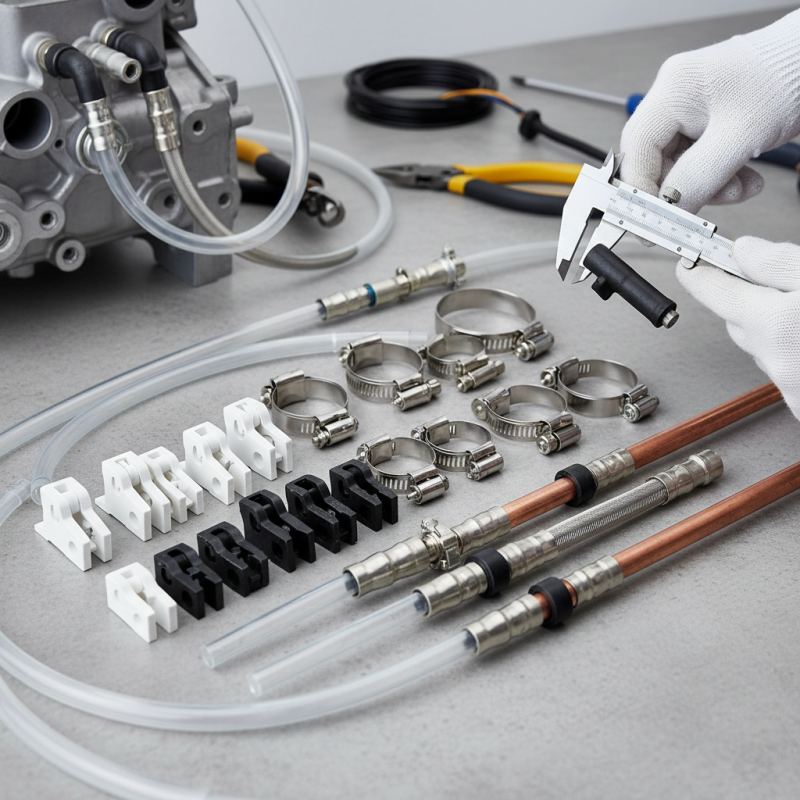
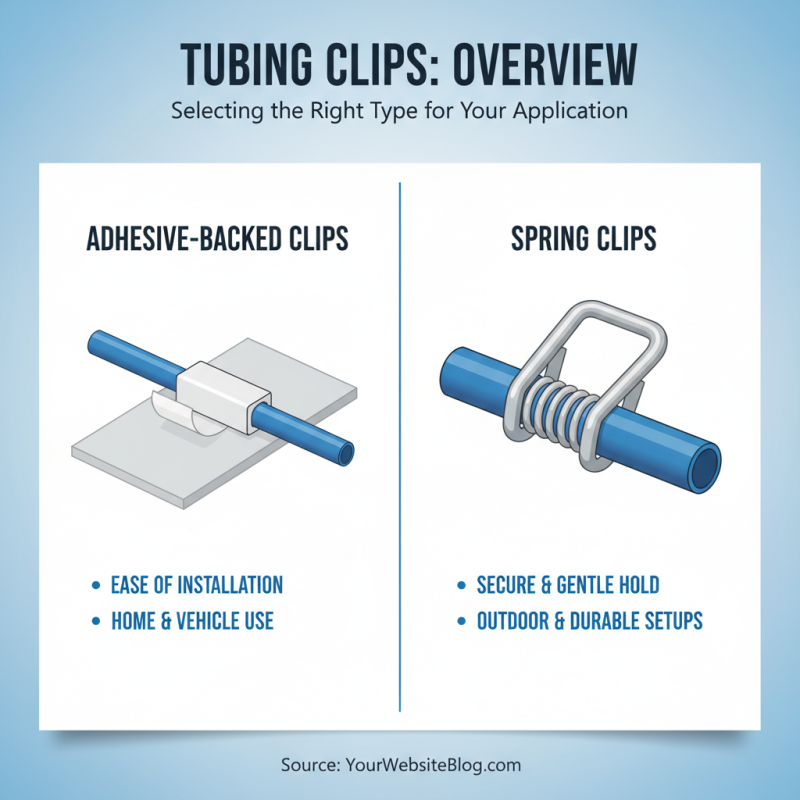
When selecting tubing clips, understanding the various types available is crucial. There are several designs tailored for specific applications. Common types include adhesive-backed clips, which offer ease of installation on flat surfaces. These are ideal for home and vehicle use. Then, there are spring clips designed to hold tubing securely without damaging it. Their durability makes them perfect for outdoor setups.
Another popular choice is the cable tie style. These clips can bundle multiple tubes together, maintaining a tidy appearance. However, they can be tricky to remove. Sizing is essential when choosing tubing clips. A clip that is too tight can cause wear, while one that is too loose may not hold at all. This is an area where many users can overlook details, leading to frustrating installation challenges.
Material is also a vital consideration. Plastic clips are lightweight but may degrade over time with exposure to heat or sunlight. Metal clips provide strength but can rust in damp environments. Every choice has trade-offs that require careful thought. A less than perfect fit can lead to problems later, so being mindful of these factors is essential.
Factors to Consider When Choosing Tubing Clips
When choosing tubing clips, several factors should be considered. Material is crucial. Some clips are made of plastic, which can be less durable. Others use metal, offering strength but can be prone to corrosion. Assessing where the clips will be used is vital. In humid environments, corrosion-resistant clips are necessary for longevity.
Size is another critical aspect. A clip that's too tight may damage the tubing. Conversely, one that is too loose will not hold securely. Measure the tubing diameter accurately to find the right fit. Consider the tubing's application too. Different scenarios will demand different clip strengths.
Installation ease shouldn't be overlooked. Some clips require tools for secure attachment, while others can be pushed on easily. Reflect on your skill level before making a decision. Think about the project requirements and choose clips that align with them. A mismatch can lead to frustrating setbacks. Adjusting your choice based on real-life testing will lead to better outcomes.
Choosing the Best Tubing Clips
Best Materials for Tubing Clips: Pros and Cons
When choosing tubing clips, material selection is crucial. Various materials offer unique benefits and drawbacks. For instance, plastic tubing clips are lightweight and resistant to rust. They are often a cost-effective option, but may not endure high temperatures. This can lead to failure in demanding environments.
Metal clips, often made of stainless steel, provide strength and durability. They withstand extreme temperatures and harsh chemicals. However, they are heavier and may cost more upfront. It's essential to assess your specific needs. A wrong choice may lead to leaks or system failures.
Rubber clips offer flexibility and can absorb vibrations. Yet, they might degrade under UV exposure or extreme heat. Evaluate the application carefully. Think about the environment where the clips will be used. This will guide you towards making the best decision.
Top Brands and Products Recommended for Tubing Clips
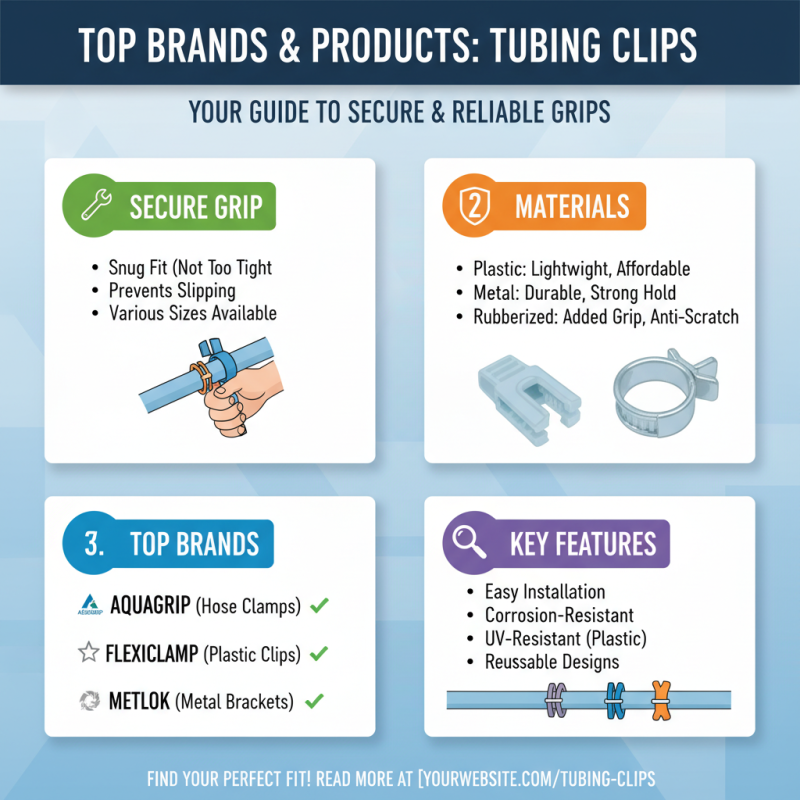
When it comes to tubing clips, choosing the right ones matters. Many options exist, catering to various needs. Look for clips that provide a secure grip on tubing. The best clips should fit snugly but not be overly tight. Consider materials; plastic tends to be lightweight, while metal offers durability. Sometimes, the clip can slip if they aren't the right size.
There are various products available that claim high performance. Some clips feature adjustable sizes, making them versatile for different tubing diameters. Other options include clips designed for specific applications. Choosing based on the environment is essential; for example, outdoor use may require weather-resistant materials.
Read through user reviews to gauge real-world performance. Popular clips often have practical designs, making them easy to install. However, it’s vital to remember that even the top-rated clips might not be perfect for every situation. Sometimes, they may wear out faster than expected. Testing a few different types can be the best approach to finding the right fit.