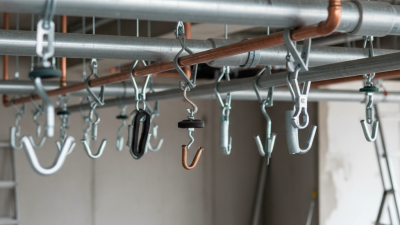
Why Use Pipe Hanger Clips for Your Piping Needs?
In the realm of plumbing and construction, Pipe Hanger Clips play a pivotal role. These essential components support various piping systems, ensuring stability and proper alignment. According to a recent industry report, 70% of pipe failures relate to improper installation or support. Tim McCarthy, an expert in piping solutions, remarked, "Quality support systems can drastically reduce maintenance costs and extend the lifespan of installations."
Despite their importance, many overlook the need for reliable Pipe Hanger Clips. Poor choices can lead to costly repairs or dangerous leaks. Industries must prioritize the quality of these clips to guarantee safety and efficiency. Installing subpar clips might seem cost-effective initially, but ultimately, it can create more extensive issues down the line.
High-quality Pipe Hanger Clips not only support pipes but also contribute to the overall integrity of the system. Investing in them is a reflection of a commitment to excellence in engineering and construction. As we delve into their benefits, understanding the driving factors behind their necessity can lead to better choices and practices within the industry.
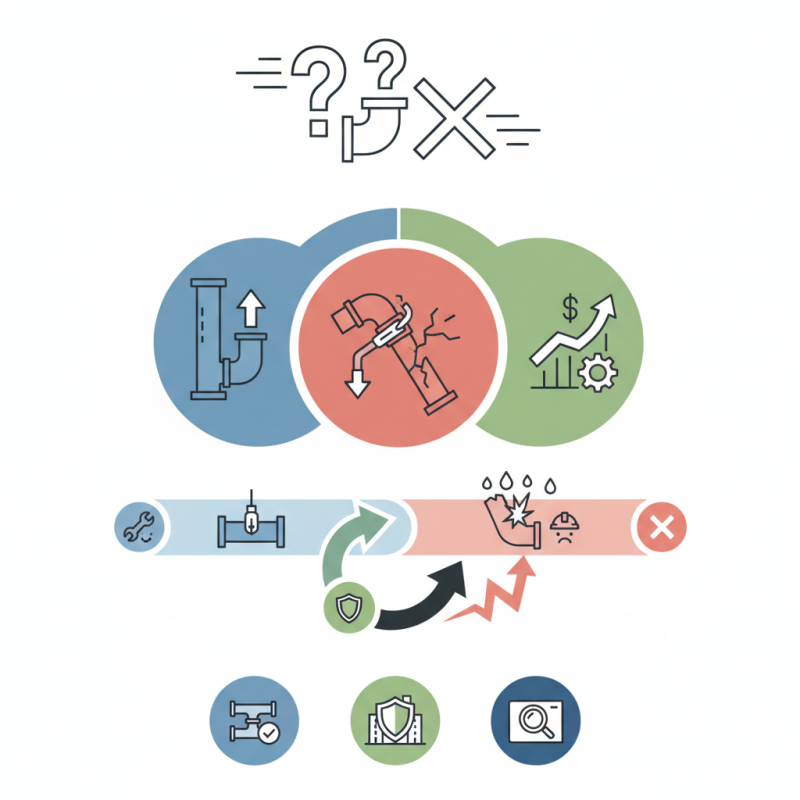
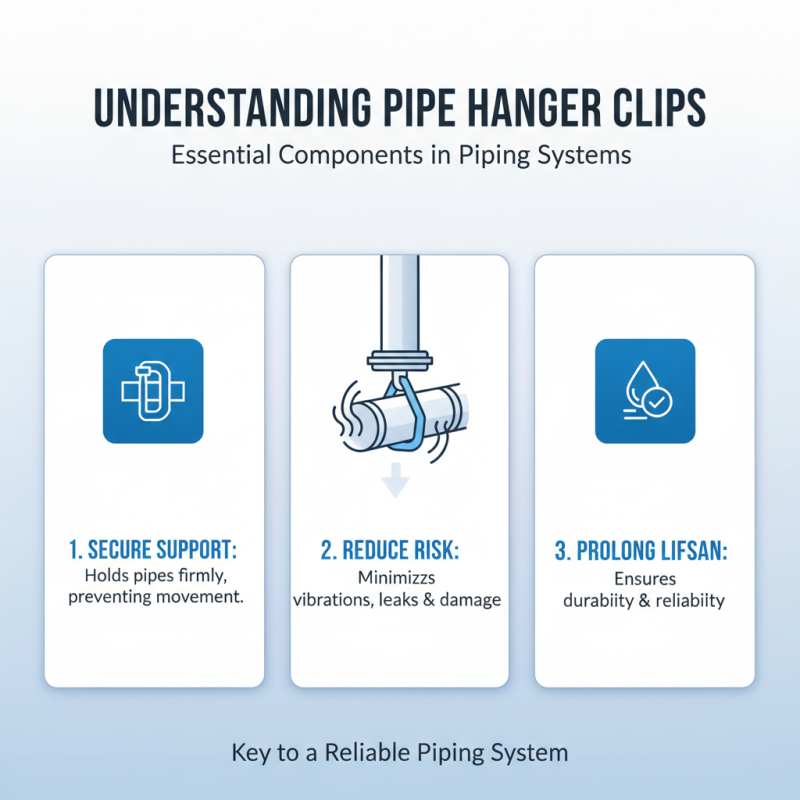
Understanding Pipe Hanger Clips: Essential Components in Piping Systems
Pipe hanger clips serve a critical role in piping systems. These components ensure that pipes are securely held in place. They prevent unwanted movement caused by vibrations or shifts. When pipes are properly supported, the risk of leaks and damage decreases significantly. Installing these clips can prolong the lifespan of a piping system.
In many designs, the choice of pipe hanger clips can seem straightforward. However, many overlook their importance. Selecting the correct size and material affects the entire system's integrity. Poor choices can lead to future problems, like sagging pipes or even system failures. Some may not even think about the maintenance needed. Regular checks on the clips can help identify wear and tear, but this step is often neglected.
The application of pipe hanger clips varies widely. They are used in various environments, from residential to industrial. Factors like temperature fluctuations or exposure to chemicals should influence material choice. Ultimately, understanding these components can make a significant difference in the functionality and durability of piping systems. This awareness often requires reflection on past decisions and an openness to improving practices.
Types of Pipe Hanger Clips: Choosing the Right Solution for Your Needs
When selecting pipe hanger clips, it's essential to consider the specific requirements of your project. Various types offer different benefits. For instance, adjustable clips are versatile, allowing for height changes. They can accommodate pipes of various sizes easily. In contrast, rigid clips provide stable support but may not adjust as easily.
Another option includes spring clips, which are particularly useful in larger installations. They secure pipes to walls without adding bulk. However, they might not offer the same stability as rigid styles. Some users notice the difference only after installation.
It's also crucial to think about the environment where the clips will be used. Outdoor plumbing may require weather-resistant materials, while indoor use can focus more on aesthetics. Each choice impacts the overall integrity of the piping system. Reflecting on cheaper options can lead to problems later. Make sure to assess what suits your needs best.
Why Use Pipe Hanger Clips for Your Piping Needs?
| Type of Pipe Hanger Clip |
Material |
Load Capacity (lbs) |
Application |
Temperature Range (°F) |
| Standard Pipe Clip |
Steel |
50 |
HVAC Systems |
-20 to 180 |
| Heavy-Duty Pipe Clip |
Stainless Steel |
100 |
Industrial Applications |
-40 to 300 |
| Plastic Pipe Clip |
PVC |
30 |
Residential Plumbing |
32 to 140 |
| Adjustable Pipe Clip |
Aluminum |
75 |
Fire Protection Systems |
-20 to 250 |
Benefits of Using Pipe Hanger Clips: Durability, Stability, and Efficiency
Pipe hanger clips are vital in maintaining a stable piping system. Their proper use significantly enhances durability, stability, and efficiency. Industry reports indicate that effective pipe support can reduce wear and tear on pipes by as much as 30%. This is primarily due to the reduction in vibrations and movement.
Durability is a key attribute of pipe hanger clips. Materials like stainless steel and PVC are common, providing resistance to corrosion and extreme temperatures. An analysis from engineering studies suggested that installations using high-quality clips can last 50% longer than those without. Stability is equally important. Improperly secured pipes can lead to misalignment, which can result in leaks or breaks. Research shows that aligned systems operate up to 20% more efficiently.
Efficiency of installation must not be overlooked. Using clips speeds up the process, saving time and labor costs. An industry average stated that projects utilizing pipe hanger clips can cut installation time by 15%. However, this assumes proper selection and spacing. Without careful planning, the benefits can diminish. Regular inspections are crucial; neglecting maintenance can compromise the advantages of using filler clips. Recognizing these details can help maintain a reliable piping system overall.
Benefits of Using Pipe Hanger Clips
Installation Guidelines for Pipe Hanger Clips: Best Practices in the Industry
When installing pipe hanger clips, precision is key. Begin by choosing the correct clip size for the pipe. Too tight or too loose can lead to issues. The clip should hold the pipe securely, but not crush it. Pay attention to the material of the pipe and the clip. Compatibility avoids corrosion or wear problems later on.
Next, ensure the spacing between clips adheres to industry standards. Improper spacing can cause sagging or misalignment. Use a level for accuracy during installation. Visual inspections are also vital. A quick check can prevent future leaks and damage. Sometimes, adjustments may be necessary after initial installation. Don’t hesitate to reassess your work.
Finally, consider environmental factors that could impact the installation. Changes in temperature can cause materials to expand and contract. Be aware of potential vibrations from nearby equipment. These aspects may require different supports than initially planned. Reflecting on these details can improve both performance and longevity.
Market Trends: Growth and Innovations in Pipe Hanger Clip Manufacturing
The pipe hanger clip manufacturing market is witnessing a surge. Innovations in design and materials are on the rise. Manufacturers are focusing on durability and ease of installation. As projects get larger, the demand for robust, versatile clips increases.
Tips: When selecting clips, consider the weight and type of piping. Make sure clips can handle the stress without bending or breaking. This minimizes potential leaks and damage.
Sustainability is a growing trend. Many companies are exploring materials that are eco-friendly. The use of recycled metals is becoming more common. This shift reflects an awareness of environmental impacts.
Evaluate different clip designs to find the best fit for your project. Some clips are adjustable, while others are rigid. Each has its pros and cons, so weigh your options carefully. Your choice can affect the longevity of the piping system, leading to additional repairs down the line.